
This post isn’t about ceremonies or big practices.
It’s about the small, everyday rituals that support mothers through the fourth trimester — the quiet weeks after birth when your body is healing, your identity is shifting, and care needs to be simple and realistic.

If the word ritual makes you picture someone waving a sage stick around the house, you’re not alone.
Maybe you hear words like sacred or ceremony and think, That’s lovely… but probably not for me.
So let’s clear something up.
A ritual doesn’t need incense, chanting, or a belief system.
It doesn’t need to look a certain way or feel spiritual.
At its core, a ritual is simply something ordinary, done with intention.
And in our fourth trimester and postpartum — when everything feels unfamiliar, messy, and unsteady — that intention matters more than ever.
Rituals Have Always Been Part of Motherhood
Rituals are as old as humanity itself. Long before productivity apps and bounce-back culture, rituals were how people marked change, protected the vulnerable, and made sense of major life transitions.
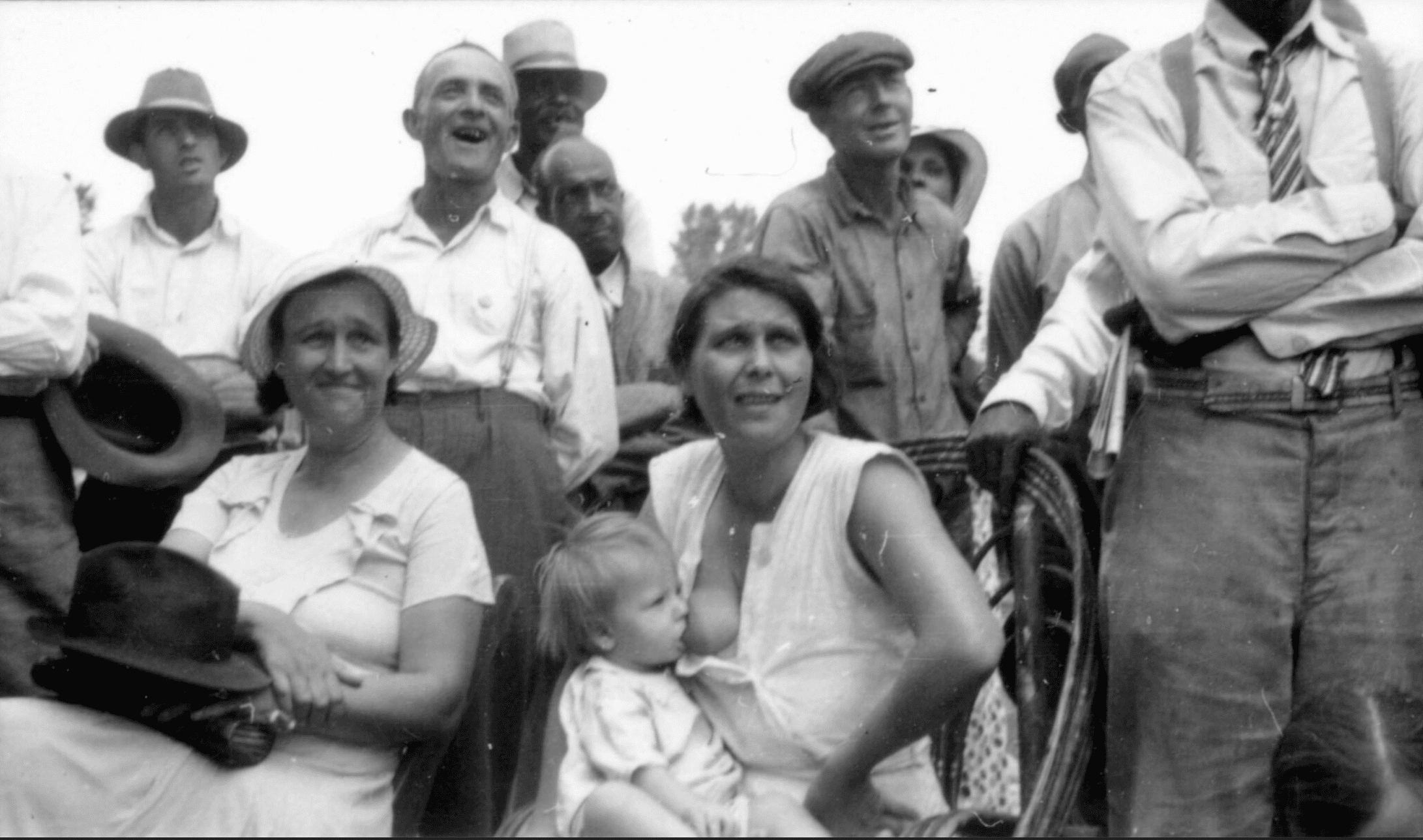
Across many cultures, the postpartum period is never rushed.
Here in the West, we’ve largely forgotten how to slow down, how to celebrate new mothers, and how to support them at a time when they need a village.
In other parts of the world:
- In China, zuo yuezi — “sitting the month” — centres on rest, warming food, and full support for 40 days.
- In Ayurveda, postpartum is known as the sacred window, where mothers are cocooned in warmth, nourishment, massage, and minimal stimulation.
- In many Indigenous cultures, postpartum women were considered physically and energetically fragile — held, protected, and cared for by the community.
These weren’t luxuries.
They were rituals of motherhood.
What I Mean When I Talk About Rituals
If the word ritual still feels like a bit much, you’re not wrong. It’s often used in a way that feels spiritual, complicated, or hard to relate to.
But a ritual doesn’t need to be meaningful in a big way.
It doesn’t need candles, affirmations, or a belief system — although it can, if that resonates with you.
A ritual is simply something you already do, done with intention.
Most of us move through our days on autopilot, especially in postpartum.
We eat quickly.
We drink cold tea.
We feed our baby while thinking about the next thing.
These things are necessary. They keep the day moving.
But when we bring even a small amount of attention to those moments, they change how our body responds.
For example:
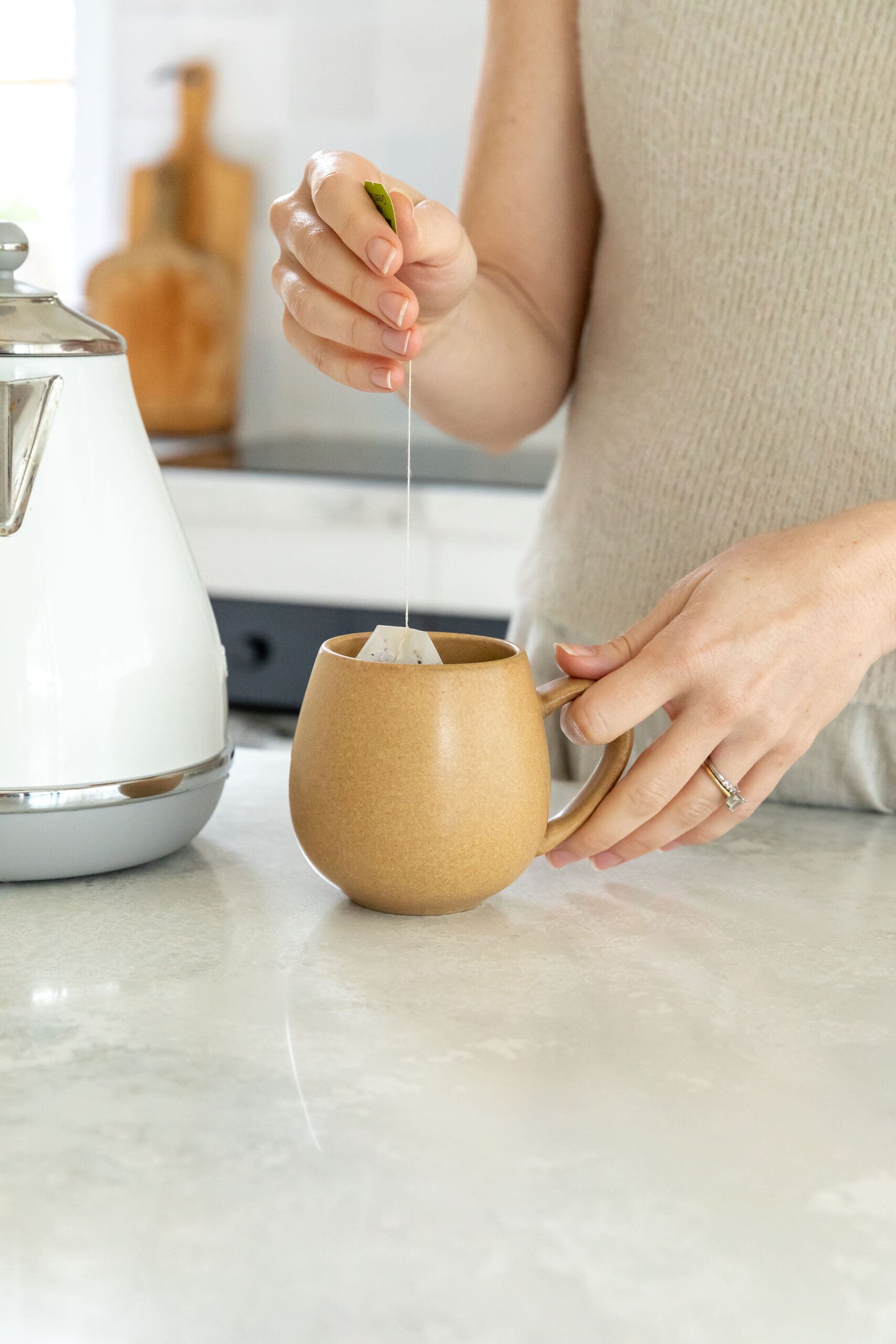
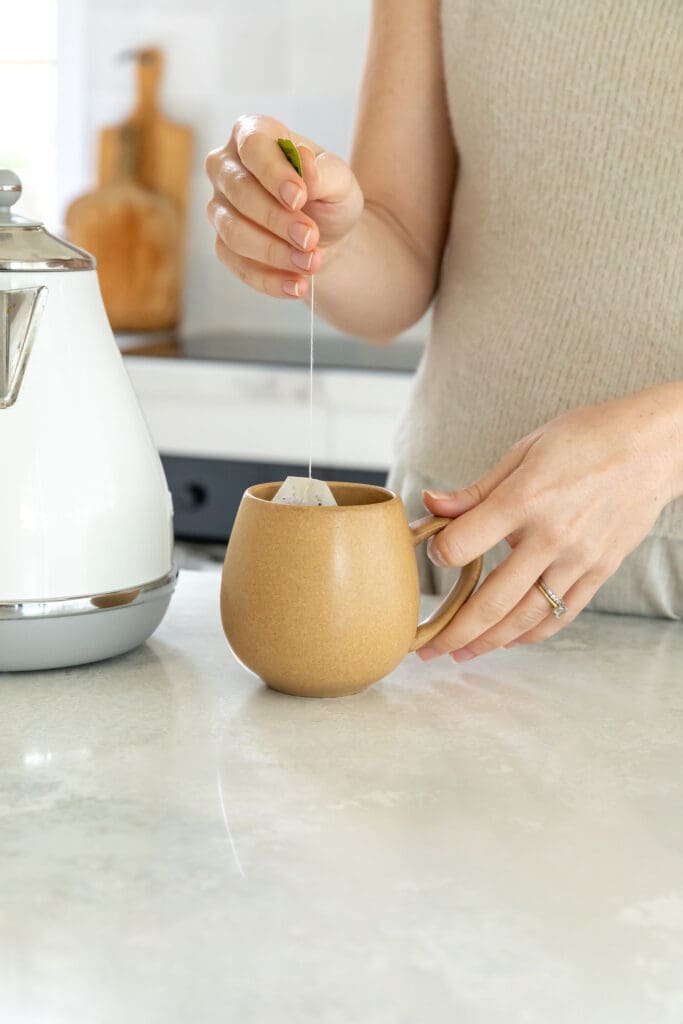
You make a cup of tea.
That’s a habit.
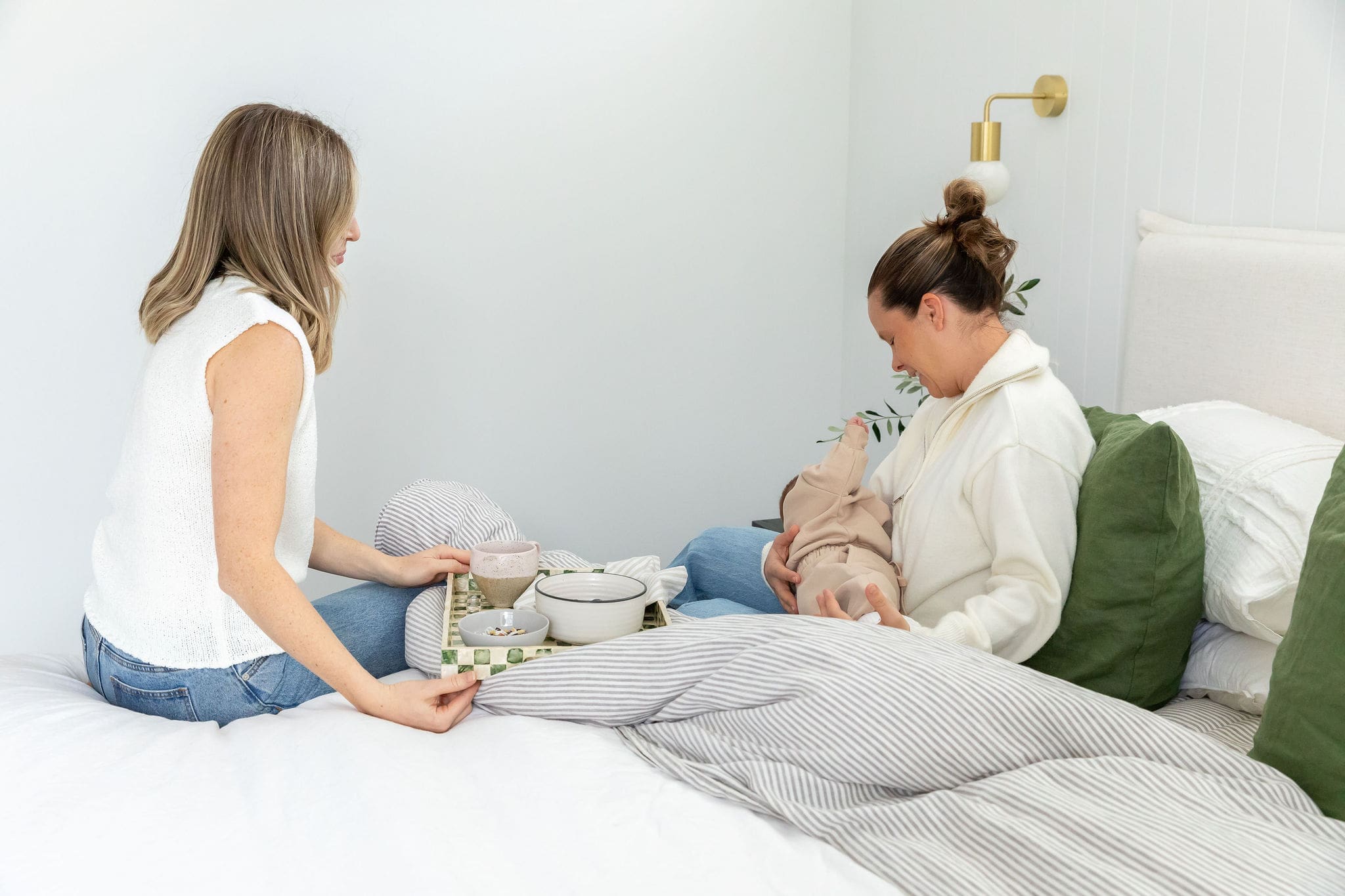
You sit down, hold the mug with both hands, take one breath, and drink it slowly.
That’s a ritual.
Same tea. Nothing extra added.
The difference is attention.
This is what everyday ritual looks like in the fourth trimester — simple, realistic care woven into daily life.
Why Rituals Matter So Much in the Fourth Trimester
Postpartum is a time of enormous uncertainty. Your identity is shifting. Your body is healing. Time feels warped and days blur together.
Rituals help because they do a few important things:
- They calm the nervous system: Repeated, intentional actions — like sipping something warm, slowing your breath, or creating gentle rhythms — signal safety to the body. This helps lower cortisol and supports hormonal regulation.
- They create anchors in the blur: When everything feels unpredictable, small daily rituals give you something to return to: a morning tea, a pause before feeding, a check-in at the end of the day.
- They support identity shifts: Becoming a mother isn’t just adding a role — it’s a full identity transition. Rituals help mark that change. They say: something important is happening here.
Rituals You’re Probably Already Doing
Here’s the thing — most women already have rituals. They just don’t label them that way.
- Your morning coffee (or, for me, my morning matcha)
- Your morning or night-time skincare routine
- Journaling or diary management
- Any kind of physical practice — extra points if you’re bringing attention to your breath, like in yoga or Pilates
When you bring presence to these moments, they stop being tasks and start becoming care.
And yes — the science backs this up.
Intentional, repetitive practices have been shown to reduce anxiety, increase emotional regulation, and improve bonding, especially during major life transitions like becoming a parent.
Rituals Are About Holding Change — Not Adding More
When you fall pregnant, your brain begins to change — and not in the way society often frames it.
These changes are purposeful. Your brain is fine-tuned to learn your baby’s needs, respond to them, and connect in ways you’ve never experienced before. These changes can actually be seen on brain scans.
But alongside this shift, many women feel something else too.
A sense of losing parts of who they used to be.
Almost every mother I speak to describes the transition into motherhood as disorienting. Your priorities change. Your worries change. And suddenly, the version of yourself you knew so well feels further away.
Across many cultures, motherhood rituals exist to hold this transition. They recognise that becoming a mother isn’t just about welcoming a baby — it’s about supporting the woman through a profound shift in identity.
These rituals honour the mother.
They mark the change.
They say: this matters, and you matter too.
In our culture, we often do the opposite.
We celebrate the pregnancy.
We throw a baby shower.
We buy the gear.
We joke about sleepless nights.
And then, very quickly, the focus moves on.
The support is directed almost entirely toward the baby, while the mother is expected to quietly adjust.
That’s the gap.
While many traditional rituals have been lost, there are still ways we can support ourselves and each other. Some doulas are helping bring back practices like mother blessings or closing-of-the-bones ceremonies — and these can be deeply meaningful.
But ritual doesn’t have to look like a ceremony.
It can live in everyday life.
And this is the key part: rituals in the fourth trimester are not another thing to add to your list.
They are not routines to perfect.
They are not habits to optimise.
They are not something else to keep up with.
They are about bringing meaning and care to what you’re already doing.


If “Ritual” Doesn’t Feel Like the Right Word
If the word ritual still doesn’t sit right, that’s okay.
Call it intention.
Call it slowing down.
Call it being present.
The name doesn’t matter.
What matters is how these small moments support your body, your nervous system, and your recovery.
A Simple Reminder
The fourth trimester isn’t the time to push through or optimise your life.
It’s a time to soften.
And sometimes, that starts with something as small as sitting down and drinking your tea while it’s still warm.





Comments +