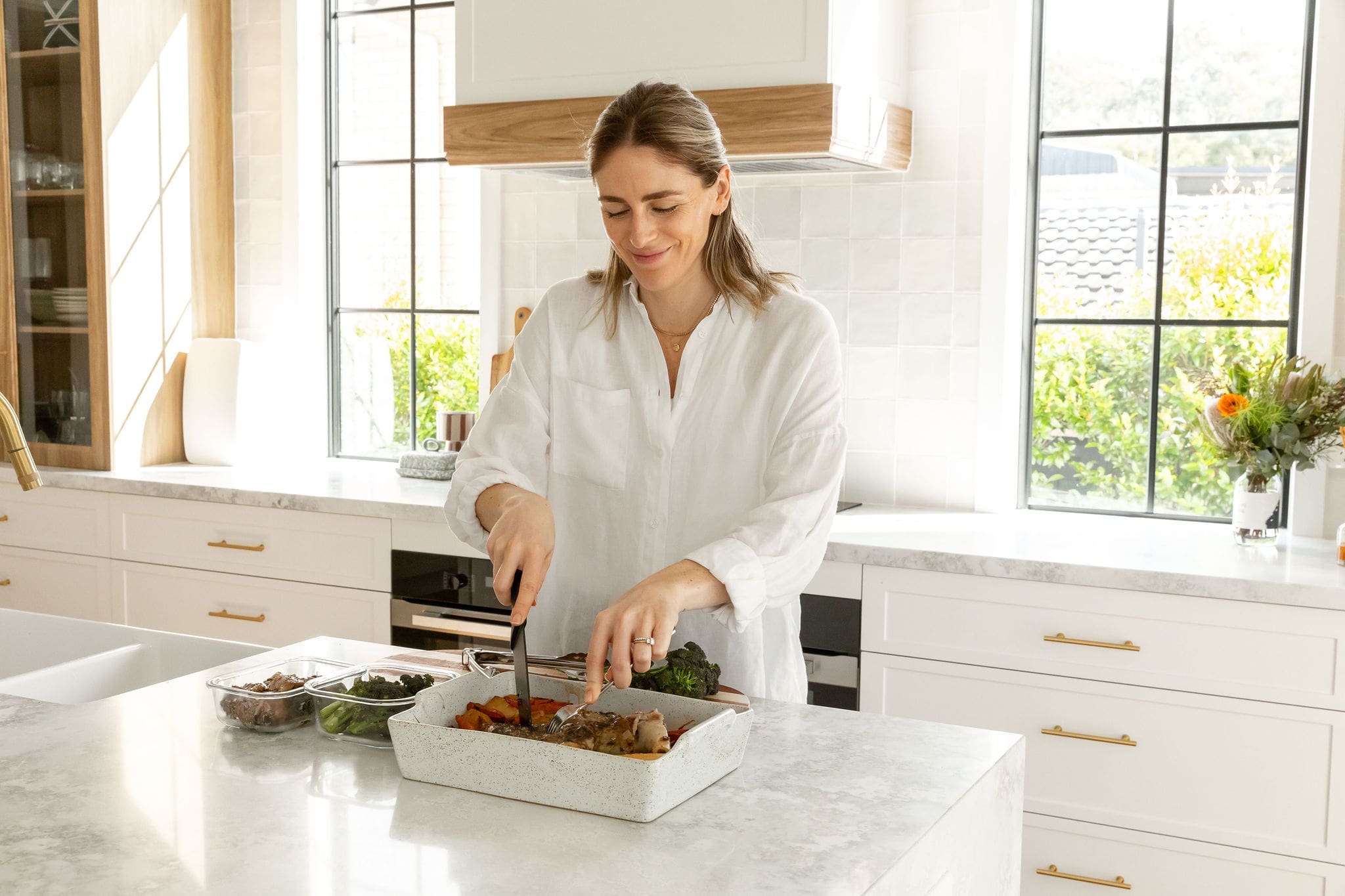

Planning postpartum meals can feel like a huge task, especially when you’re tired, pregnant, and trying to prep for the fourth trimester. In those first 6 weeks after birth, nourishing food isn’t about being gourmet. It’s about supporting recovery, stabilising blood sugar, and making breastfeeding (and life with a newborn) feel a little easier. In this post, I’m sharing how I’m planning my postpartum meals the second time round with a toddler using freezer-friendly staples, simple “elements,” and low-effort options that work for new mums and growing families.
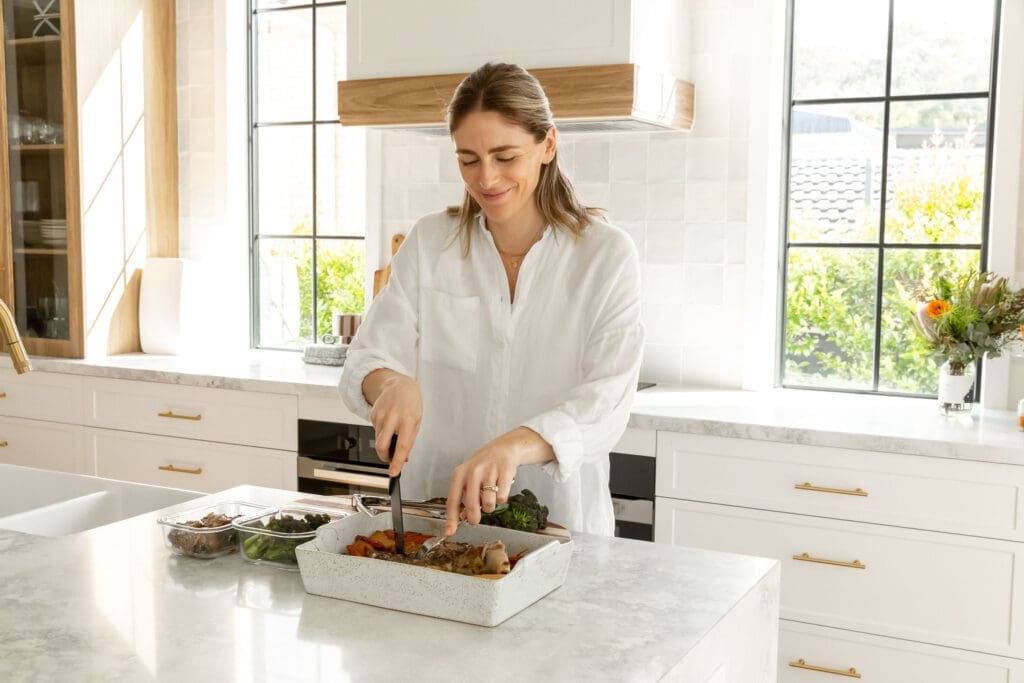
There’s a version of postpartum meal planning that looks like glass containers stacked neatly in the freezer, colour-coded labels, and three-course dinners lovingly prepped in advance.
And while I love a well-organised fridge and yes, I do have glass containers stacked in my freezer, that version isn’t always doable. Especially during postpartum.
Postpartum (or the fourth trimester) is around 40 days / approximately 6 weeks of recovery, feeding, healing and being sleep deprived. And if this isn’t your first rodeo, then you know: sleep deprivation isn’t a vibe we enjoy.
If you’re venturing into your first postpartum, it’s important to know that sleep deprivation doesn’t just affect your brain, it affects your body too. You lose focus, memory feels foggy, emotions feel bigger, and your stress system stays switched on. And let’s not forget: your immune system can weaken and your appetite hormones can get messy, making you crave foods that really don’t support you.
Another very important point to mention is our nutritional needs during postpartum. Exclusively breastfeeding mothers burn an additional ~500 calories per day for the first 6 months postpartum. It’s also really important to note that protein needs postpartum can be even higher than during pregnancy. So when thinking about meals, always, always include protein ideally paired with healthy fats to keep you satisfied.
With all of that in mind, you can see why having meals ready to go (that support recovery, support breastfeeding, and stabilise blood sugars to combat sleep deprivation) is so important.
Let’s break it down so it doesn’t feel so overwhelming, or maybe the better word is easier. Breaking it down into bite-size chunks just feels more manageable.
Postpartum is 6 weeks = 42 days of recovery
My goal isn’t to have perfect meals.
It’s to have warming, nourishing food ready with ease.
This is not the time to be thinking “gourmet.”
This is the time for healing foods + low effort.
My 6-week freezer goal
(Adjust based on your freezer size)
- ~ 20 complete meals
- ~ 15-20 protein portions (for mix-and-match meals)
- ~ 15-20 veggie portions
- ~ 15-20 Broth (the backbone of everything)
If you’re tight on space,
- A small chest freezer (new or secondhand) can cost significantly less than a a lot of those baby gadgets we buy and gives you so much breathing room.
- Opting for bone broth concentrates or powders – save the space if your freezer for meals.
- Focus on shelf stable staples and build meals this way.
Things to consider before you start
1) When will you have help?
Think about:
- Mornings
- Nights
- Who can cook / reheat / plate up?
2) When is your energy best?
For me:
- Breakfast: energy is usually best
- Lunch: energy is “okay”
- Dinner: hardest (and often when you’re most depleted)
When it’s just me with the kids, I need meals I can pull together quickly.
3) Fresh vs freezer vs shelf-stable
When writing your list, plan for:
- what you’ll freeze
- what you’ll keep shelf-stable
- what you’ll buy fresh
Also think about realistic cooking time. Picking noodles or pastas that cook within 2–3 minutes really helps. Microwave rice packets, frozen veg, and simple proteins can be lifesavers.
4) Who do I want to have meals ready for? is this baby 1,2 or 3?
Dont forget to plan for others:
- Snacks for mum
- Snacks for kids
- Ready to go dinners I know my older son loves, so that dinner time is easier: think lasagne, fried rice, pasta sauces etc.
- Don’t forget Dad who might have some restless nights and then need to go to work. My Husband loves savoury breakfast muffins, even just 12 of these as a back up can save one or two mornings for dad.
My meal structure: breakfast, lunch, dinner + snacks
Breakfast ideas (easy + toddler-friendly)
These are for when I’m feeding both me and my toddler.
Things I can have in the freezer:
- Frittatas / egg muffins
- Fritters
- Pancakes/Waffles
- Quiches
- Roast vegetables
- Muffins
- Sliced sourdough (backup)
Things that are shelf-stable:
- Rice
- Weetbix
Easy prepped things for the fridge:
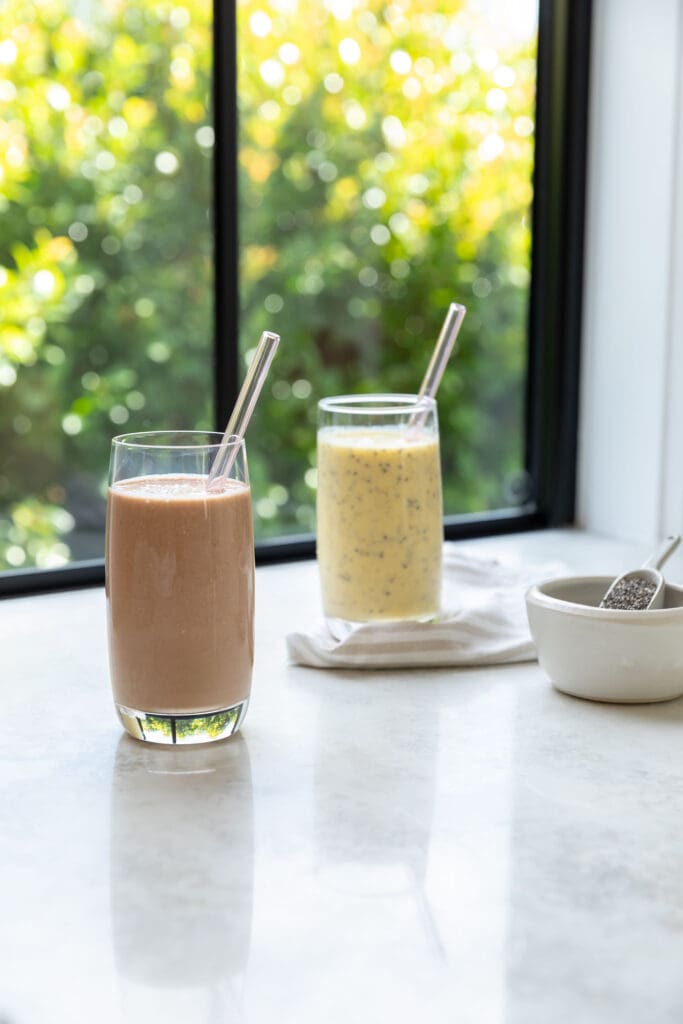
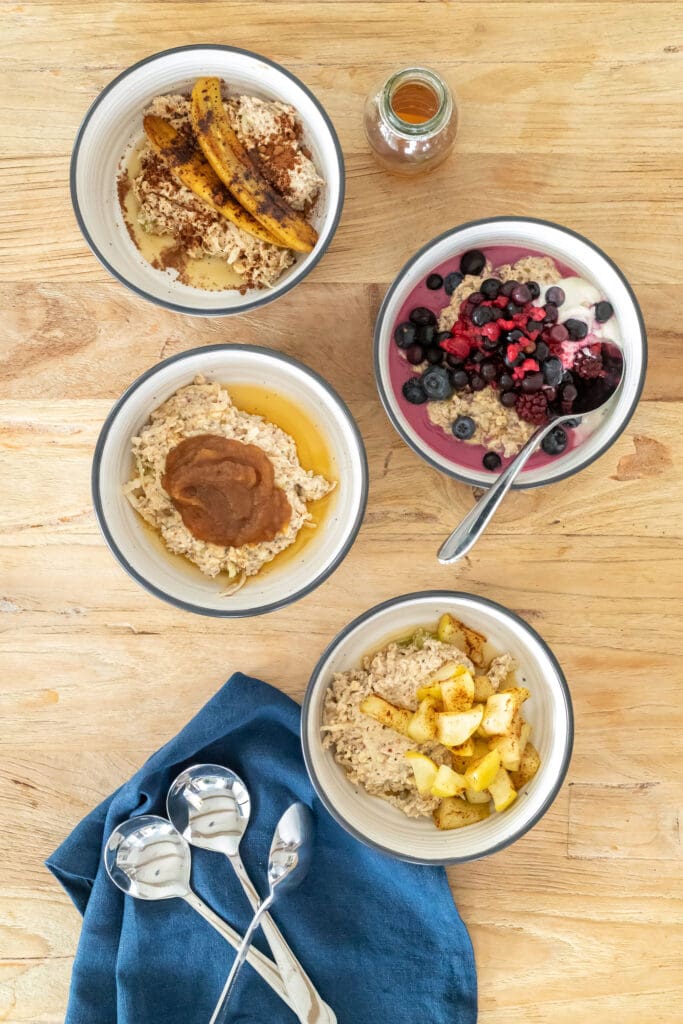
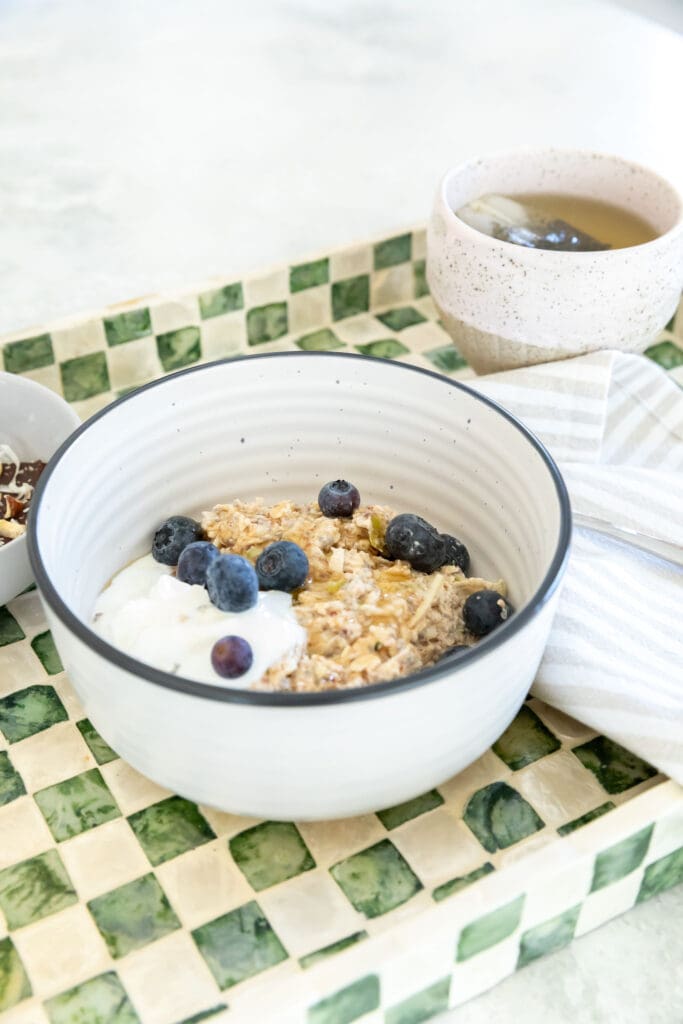
- Overnight oats
- Chia puddings
- Boiled eggs
- Egg muffins
Lunch ideas (elements + ready meals)
Lunch is where I lean into mix-and-match.
- Broth-based meals
- A combo of “elements” to build meals fast
- Some ready-made meals for the hardest days
- Frozen pasta sauces for me + my son
This is also where “just heat and eat” matters most.
Some days I’m hungry and I’ll sit down with my son for lunch. Other days, it’s nice to just make a sandwich and fruit salad, pull a muffin from the freezer, and have a picnic on the floor. Then I can make myself something like a salad or soup when he’s down for a nap.
For the fourth trimester, I’m leaning into this more. The energy needed to make a sandwich isn’t too bad and picnic times, whether inside or outside, are a great way for me to get my son to try new things (different cheeses, olives, fruits etc.) because it’s fun and mum is trying the things too.
It’s also a great way for me to snack more consistently to keep my blood sugars stable. Cheese lasts in the fridge, you can buy a few and try them, mix it up, it’s like a younger version of a charcuterie board for a morning snack. You can add things like egg poppers (mini egg muffins) to the mix, veggie muffins, etc. all easy to pull from the freezer.
Then later, when hopefully my 2-year-old is sleeping, I can make a small broth soup with chicken and vegetables and a cookie or two.
Dinner
Ideally, this is when you have help. If not, dinner still needs to be simple.
It’s great to have a few fresh home-cooked meals at times, but realistically your go-to will look similar to lunch: easy elements + quick assembly. If you have friends or family offering to bring meals, this is great time to request family size tray bake styles, big enough to feed the whole family and maybe then a lunch for mum the next day. If they are cooking fresh for you great! but if its just a grocery store oven baked lasagne, chicken or pasta bake, all options will help on time and energy.
My dinner ideas:
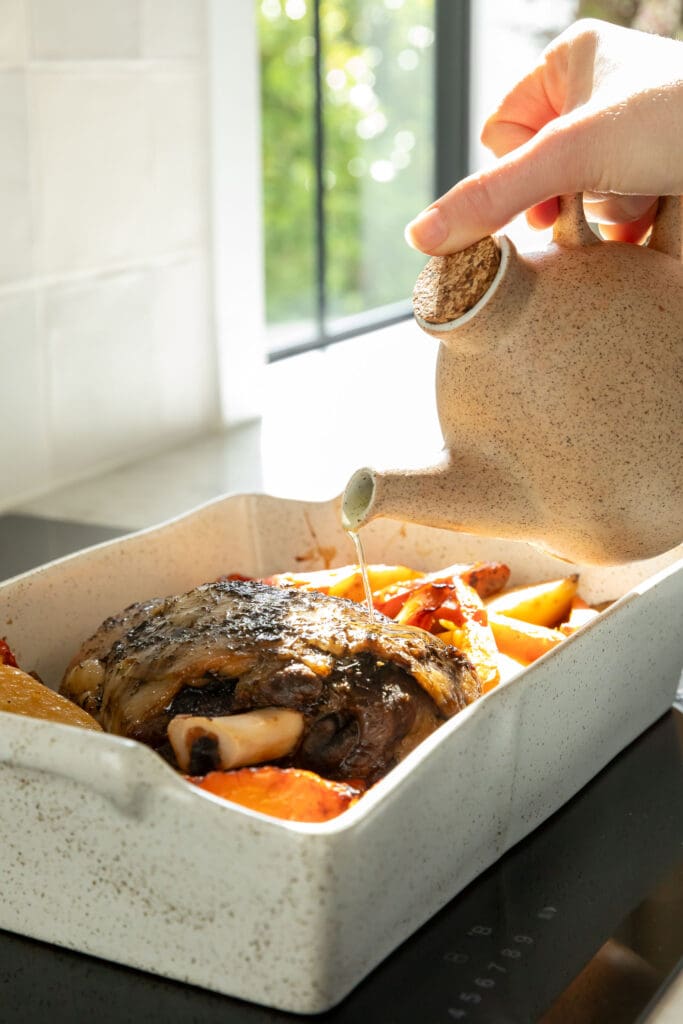
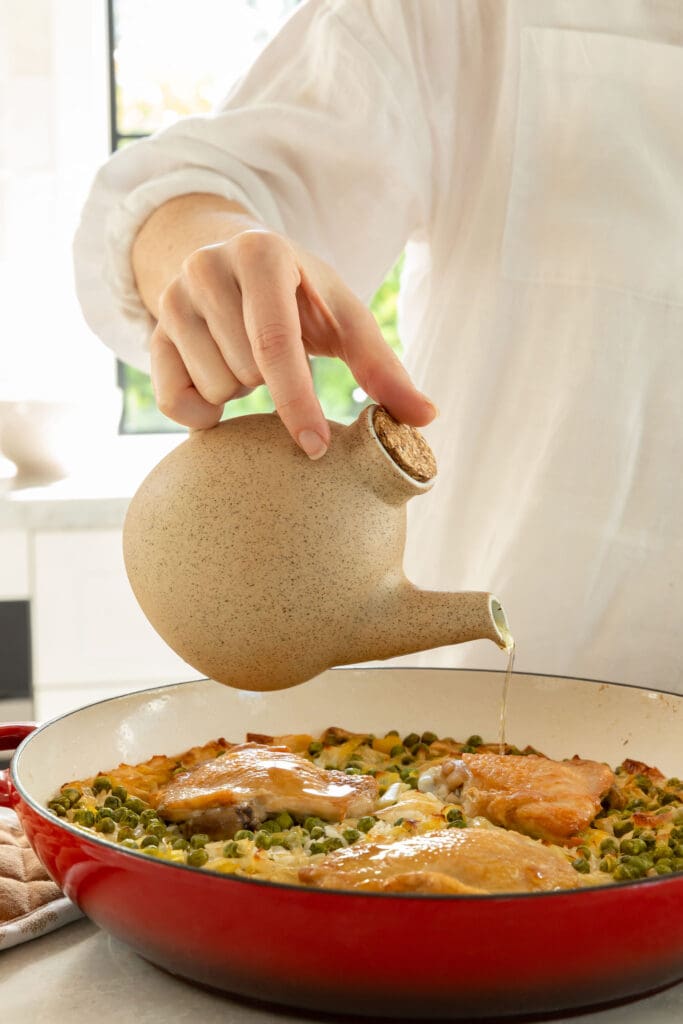
- One-tray oven dishes – you can have some in large freezer bags prepped and ready to just go into the oven.
- Slow cooker meals – just throw a pork shoulder in the slow cooker and steam some fresh greens.
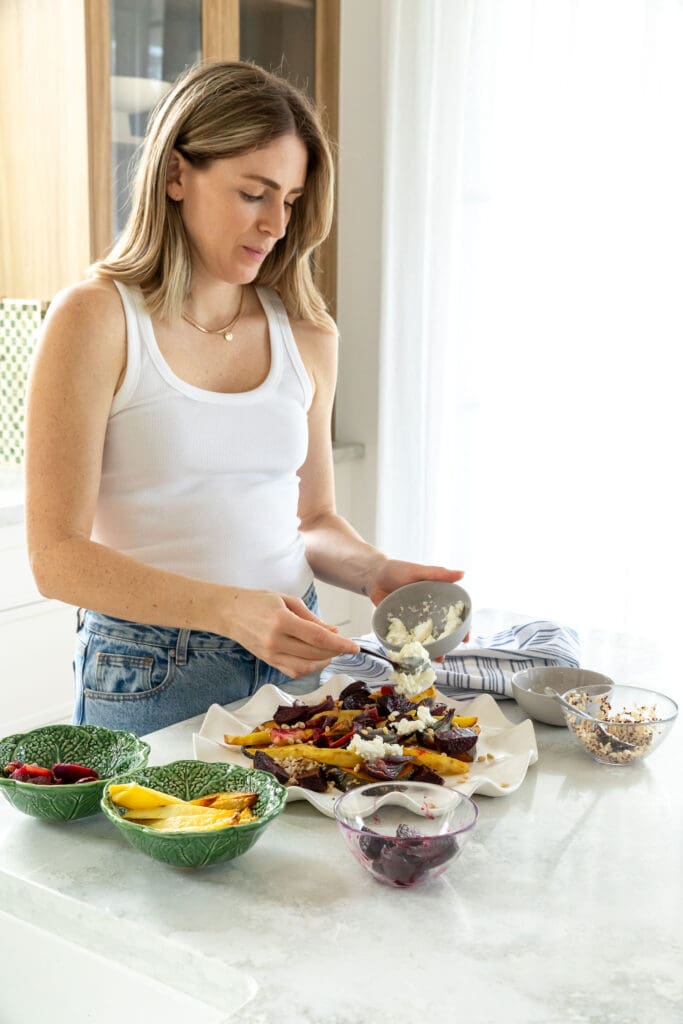
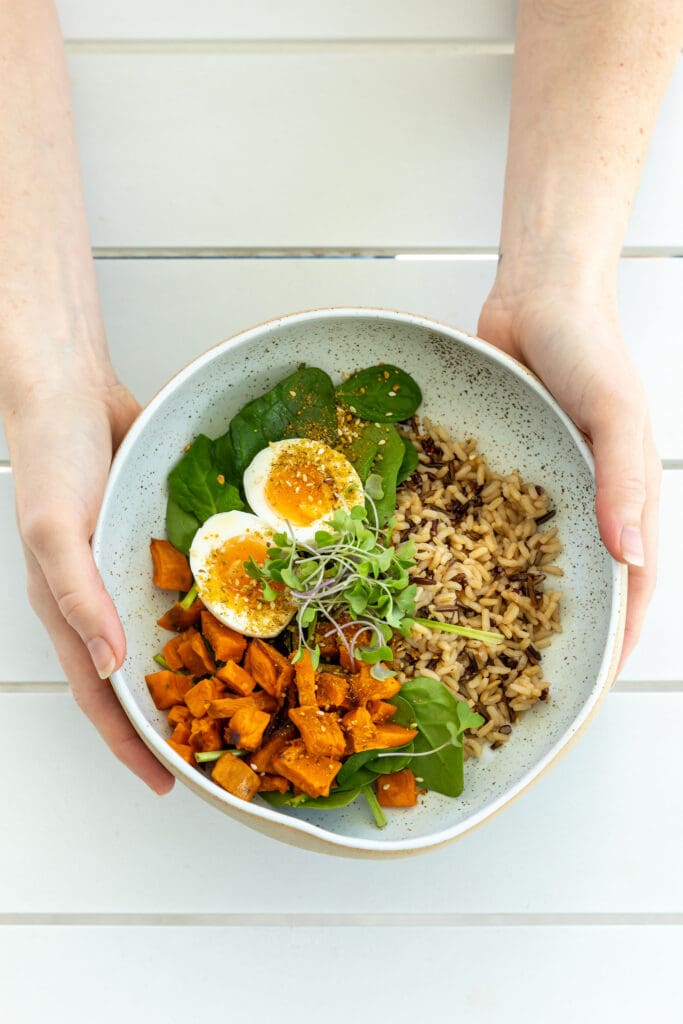
- Warm roast salads or bowls – you can have mince meat cooked, seasoned and frozen. Defrost and pair with fresh vegetables and microwave rice.
- Using some of my frozen meals
Snack prep (don’t skip this)
Snacks are survival postpartum. One handed snacks are even better.
Easy defrost / reheat snacks:
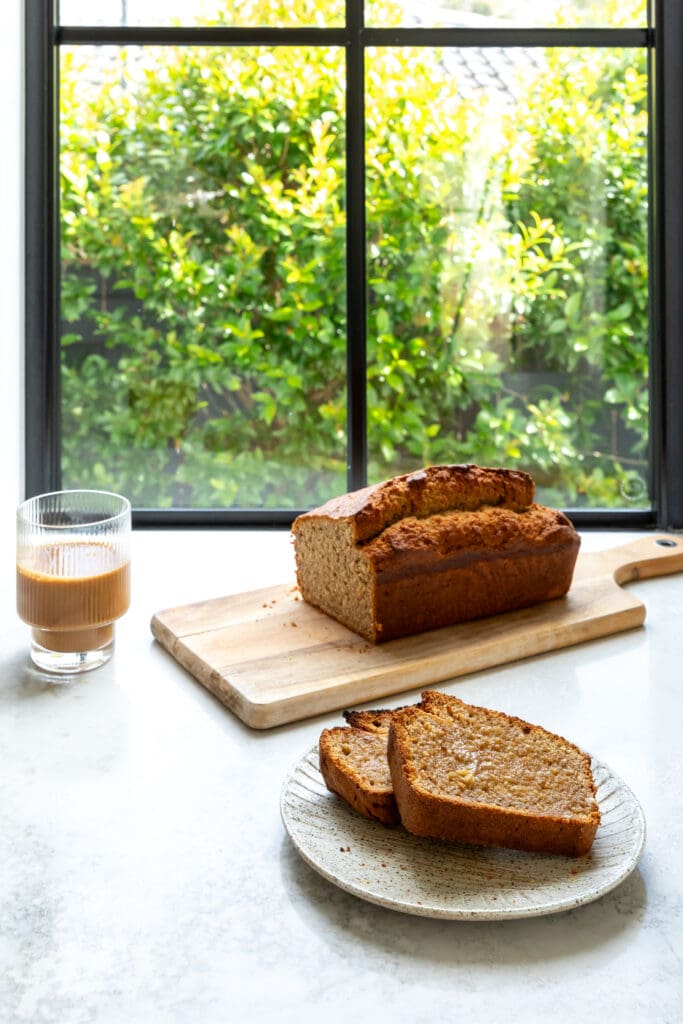
- Banana bread/ Waffles – great to toast from frozen
- Muffins – defrost quick
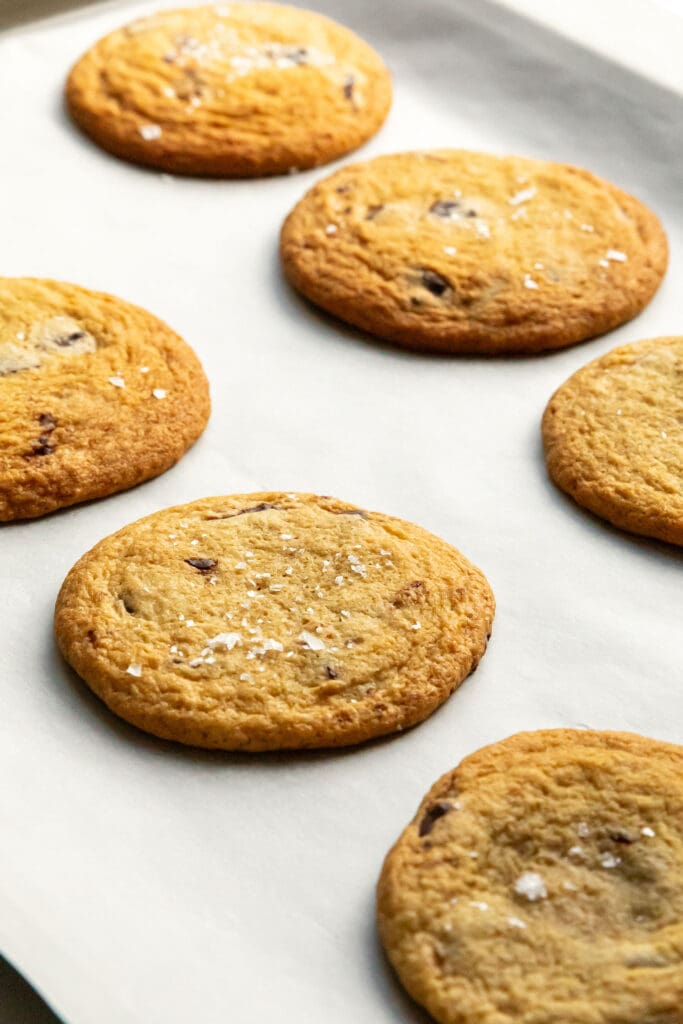
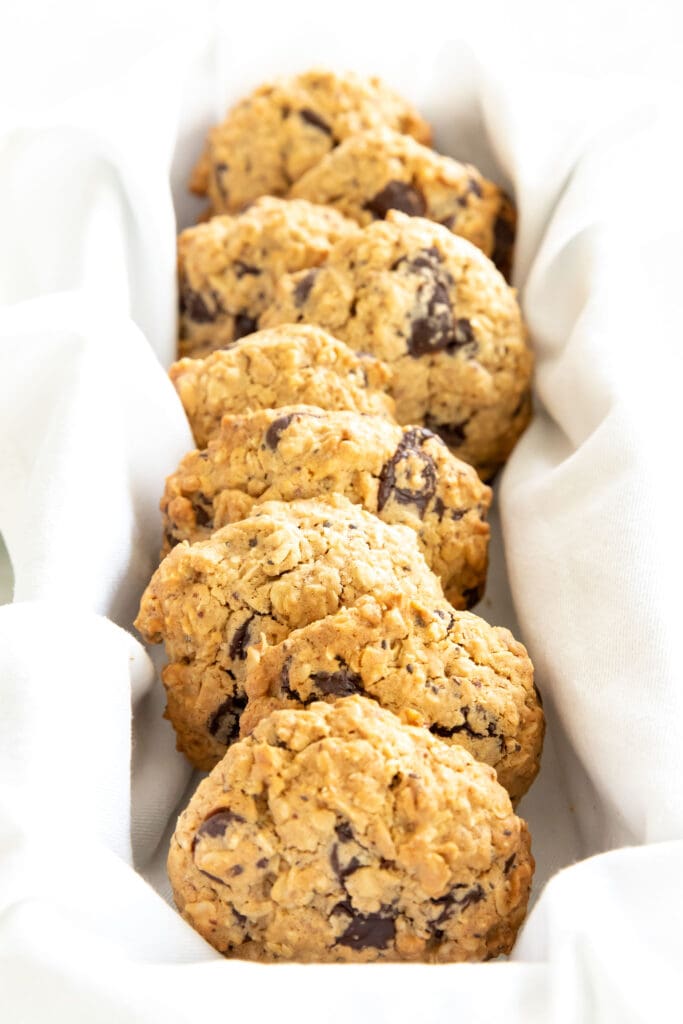
- Cookies – defrost quick also
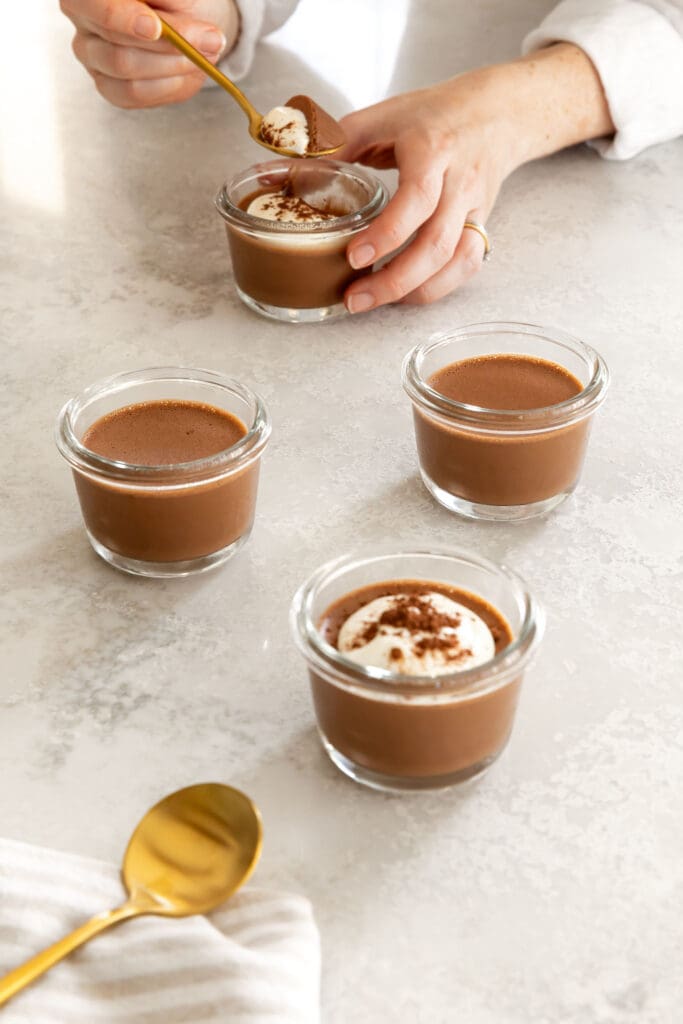
- Mousses – will last a week in your fridge
And don’t forget: prep snacks for your older kids too. My son am I pretty much enjoy all the same snacks which makes this part easier. My plan will be defrosting a couple of muffins and cookies every morning along with fresh things like fruit.
The “elements” method (this is the real secret)
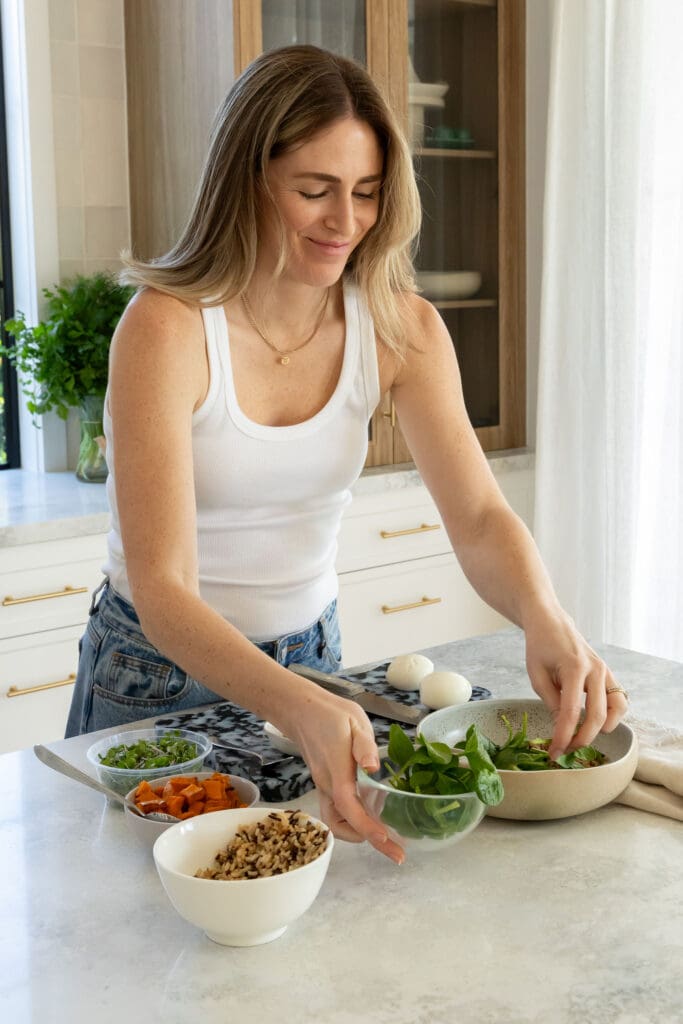
Instead of freezing only full meals, I’m freezing components I can combine quickly.
Freezer elements I love:
- Lots of veggies I know we love (quick oven / air fryer reheat)
- Slow-cooked proteins in batches (lamb, pork, beef — single serve + family sized portions)
- Chicken sliced or shredded into individual portions
- Ready to go dumplings
- Broth portions
Then I can add fresh:
- Vegetables
- Wraps
- Rice or grains
- Seeds/nuts/herbs
- Sauces
- Noodles
This keeps meals feeling fresh and adds fibre without extra effort.
How I’m breaking my prep up (so it doesn’t feel huge)
Prepping while pregnant can feel like a big task (especially while still cooking for everyday life + a toddler). So I’m breaking it into smaller days. I also find it better for my brain to group flavours. It’s easier for me to have all my baking stuff out on the bench, rather than having meat and flour all mixed together in one big chaotic session. You can go back to back or space out your days, go off how you’re feeling, take rest when you need it.
Day 1 – Prep as many elements as possible
- Roast a tray of vegetables
- Grate ginger + garlic
- Roast my first chicken
- My roast chicken becomes sliced chicken in individual portions
- Bones become the base of my first broth
- Vegetable scraps, ginger, and garlic – everything goes into the slow cooker for the broth
Day 2 prep — baking day
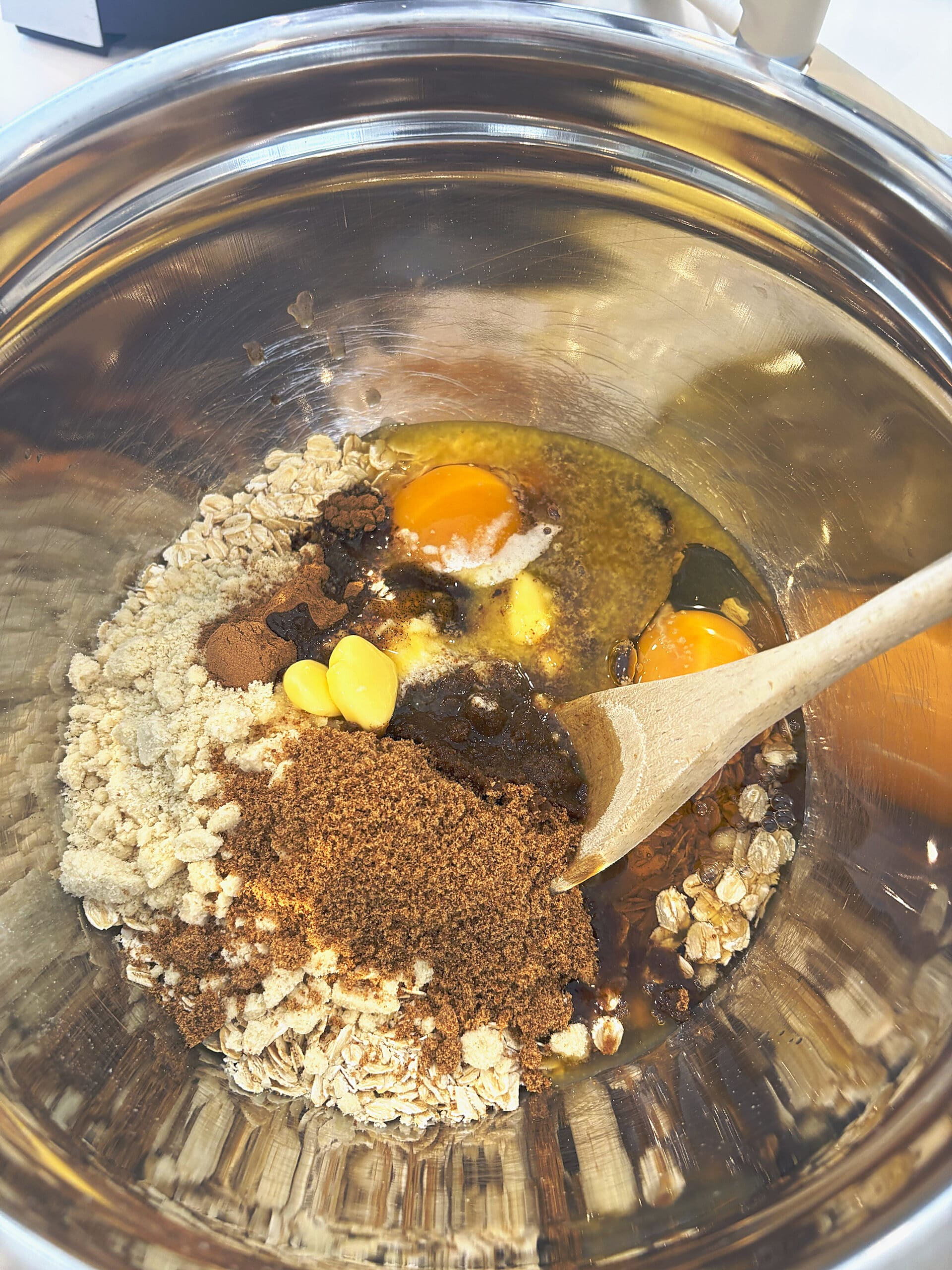
- 2 batches of oat cookies
- 2 loafs Banana / coconut bread – pre slice before freezing
- 2-3 trays of muffins
- Waffles
- Slice a few loaves of sourdough bread
Day 3 — broth day
- Beef broth
- Some more roast vegetables depending on what’s left
- Prep one or two meals. For example make a huge batch of fried rice and pasta suace, seperate into containers.
Day 4 — slow cooked meats
- Pork or lamb shoulder in the slow cooker
- Some more roast vegetables and pair this with some slow cooked meats to make some complete meals.
- Oven roast a huge tray of chicken thighs and again pair with rice and roast vegetables to make some meals.
Alternative prep method:
Prepping double for dinners leading up to due date. Buy bigger portions of meat or double and put a few portions away as you go to make it easier.
- Slow-cooked pork shoulder or lamb
- Roast chickens
- Pasta sauces
- Pasta bakes
And so on…
The reason I space it out like this is because of cooking capacity and freezer space. I freeze broth into silicone trays (I use these from Amazon). I give the broth 24 hours to cool and freeze, remove them from the trays into easy-to-grab bags, wash, and then go again.
A simple reminder
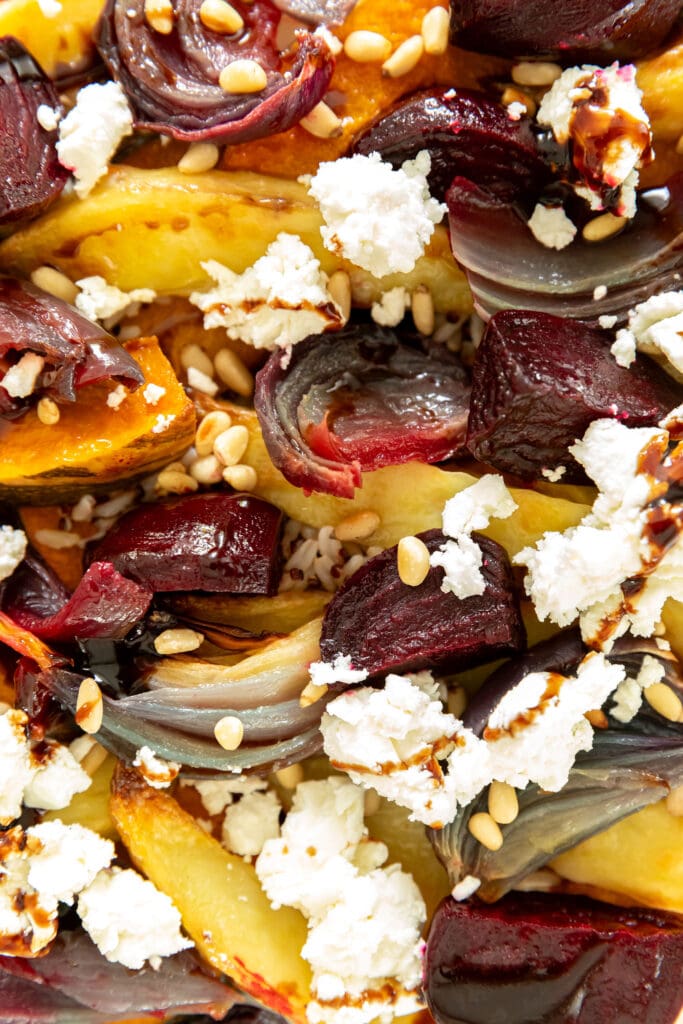
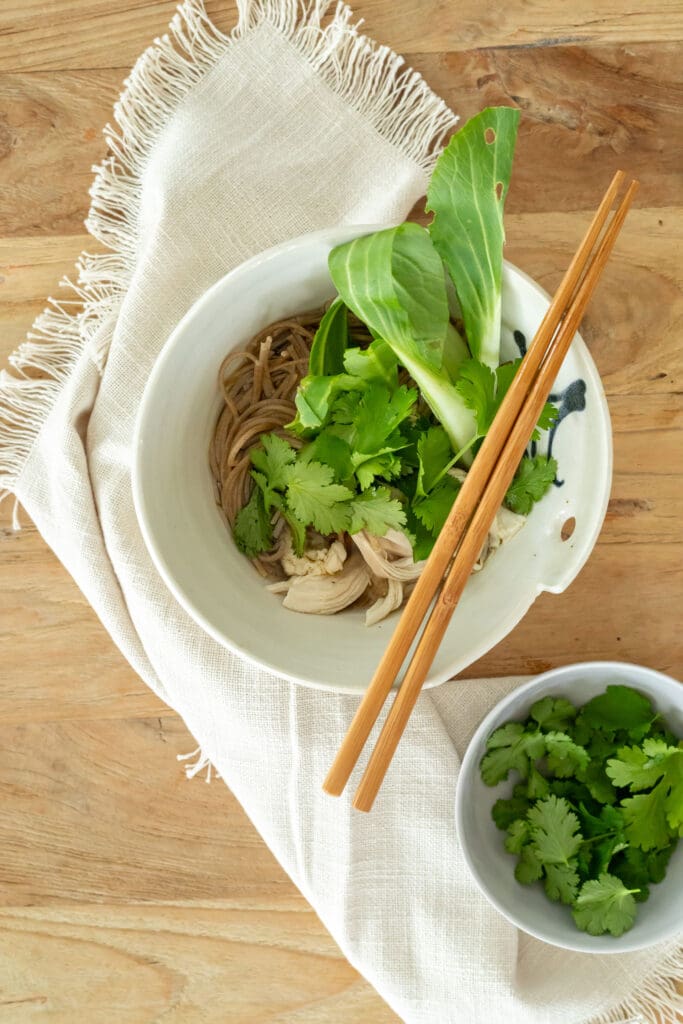
Postpartum doesn’t need gourmet. It needs warming, healing, nourishing food… made as easy as possible. All the pictures in this blog are recipes from my upcoming ebook, I’m so excited to share this with you all.
Support your recovery, conserve your energy, and feed yourself like it matters because it does.




Comments +